What is an SSL Certificate?
SSL (Secure Sockets Layer) certificates are the foundation of modern website security. They encrypt the communication between your website and your visitors' browsers, creating a secure tunnel for data transmission. When a visitor accesses your site, the SSL certificate ensures that sensitive information – such as credit card details, passwords, personal information, and form submissions – cannot be intercepted or read by unauthorized parties.
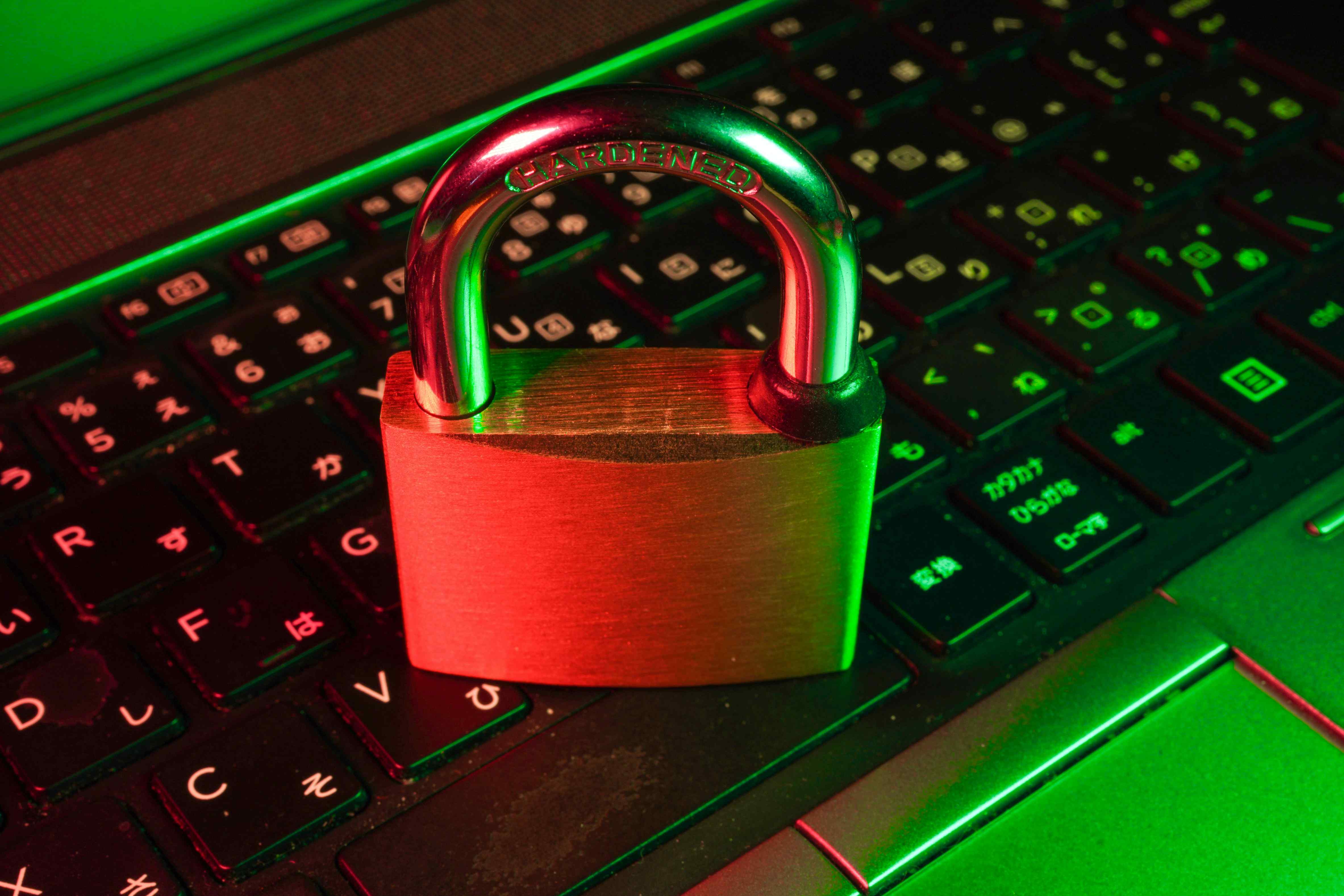
Think of an SSL certificate as a digital lock and key for your website. Without it, data travels across the internet in plain text, vulnerable to eavesdropping and theft. With SSL, everything is scrambled using complex encryption algorithms that would take years to crack with conventional technology.
Why SSL is Critical for South African Businesses
For South African businesses, SSL certificates have evolved from optional extras to essential requirements. Whether you're running an e-commerce store, collecting customer information, or simply building trust with your audience, an SSL certificate is non-negotiable. Here's why:
1. Increased Trust and Credibility
When visitors land on your site, the first thing many notice is the security indicator in their browser's address bar. A padlock icon and "HTTPS" URL signal to your customers that your site is secure and trustworthy. This visual cue is especially important for South African consumers who are becoming increasingly aware of cybersecurity threats.
Without an SSL certificate, browsers will display a "Not Secure" warning, which can drive visitors away and damage your business reputation. Even if your site is completely legitimate, the warning can trigger doubt and hesitation.
2. Improved Search Engine Rankings
Google has made it clear: HTTPS (the secure version of HTTP) is a ranking factor. Websites with SSL certificates receive a ranking boost compared to unsecured sites. This means that if you're competing with other businesses in South Africa for customers, having SSL could give you a significant SEO advantage.
Additionally, search engines crawl secure sites more efficiently, which means your content will be indexed faster and more thoroughly. For businesses looking to improve their online visibility and attract organic traffic, SSL is a critical component of any SEO strategy.
3. Data Protection and Cybersecurity
Cyber threats are growing rapidly in South Africa. Business email compromise, data breaches, and identity theft cost South African companies millions of rands annually. An SSL certificate provides a crucial layer of defense by ensuring that sensitive customer data – payment information, personal details, email addresses – cannot be intercepted during transmission.
This protection is especially important for e-commerce sites, financial services, healthcare providers, and any business handling customer information. Without SSL, you're essentially leaving the front door of your business open to cybercriminals.
4. POPIA Compliance
South Africa's Protection of Personal Information Act (POPIA) requires businesses to implement appropriate security measures to protect personal data. POPIA compliance is no longer optional – it's a legal obligation. Failure to comply can result in significant fines and reputational damage.
SSL certificates are considered a fundamental security measure under POPIA. By implementing SSL on your website, you're demonstrating to customers and regulators that you take data protection seriously and are committed to complying with South African privacy laws.
How to Get Started with SSL
Getting an SSL certificate used to be complicated and expensive, but the landscape has changed dramatically. Many web hosting providers now offer free SSL certificates through Let's Encrypt. If you're using SiteBot Studio, SSL protection is built in automatically – every website created with SiteBot includes a free SSL certificate by default.
This means you can launch a secure, professional website without the hassle of manually configuring SSL or paying additional fees. The certificate is automatically renewed before expiration, so you never have to worry about your site becoming unsecured.
The Bottom Line
For South African businesses, SSL certificates are no longer optional. They're essential for protecting your customers, improving your search rankings, maintaining compliance with POPIA, and building the trust your business needs to succeed online. Whether you're just starting out or scaling your operation, SSL should be at the top of your website security checklist.
By choosing a platform like SiteBot Studio that includes SSL by default, you can focus on what matters most – growing your business – while knowing that your website and your customers' data are protected by enterprise-grade security.

Shaun Enslin
AI-powered website builder helping South African businesses launch secure, professional websites fast.
Ready to build a secure website?
Get started with SiteBot Studio and enjoy free SSL certificates with every website you create. No coding required.
Get Started Free